
The changing role of Media heading into 2026 – F1. With digital platforms transforming the landscape of Media in Motorsport, audience reach and engagement has increased profitability for Media Rights holders, sponsorship dealerships, Manufacturer’s, Teams and driver’s promoting creative thought on how the value of watching racing can achieve future growth.
Most notably, the massive up-swing of fans and follower’s of Formula One has been the result of implementing smart strategies to expand the scale and scope of racing to a broader audience world-wide. From researching who, what, and why the traditional fan-base watched F1, to gaining clarity on what type of content new market audiences would engage in, Liberty Media created new modes of operandi from 2017 to the present day.
Notwithstanding race action was the main spectacle, Liberty Media changed the game entirely by opening the tightly held grip on managing filming of driver’s, Team preparations, racing previews, and podiums – which had been exclusive to TV Rights holder’s – to Teams and driver personal sharing their own stories to viewer’s watching at the track or online. This change was a huge deal-breaker, lifting the traditional protection of revenue for TV Rights holders, to expanding audience reach through personalized content filmed and uploaded by those actually at each track venue.
For certain, varying factors contributed to the exponential rise in profit margins – namely race hosting-fees, the introduction of cost caps for car development, along with the expansion of WDC to 24 Rounds, including 3 races in America and the return of F1 to China. Yet, tapping into the production of content which shared the challenge of racing in real-time – as depicted in the docu-series Drive to Survive – followed by F1 The Movie, starring Brad Pitt, hit a different note with race goers. Personalized accounts of relations between competitors, Team Principals, along with the pressure of producing results made the stories compelling to watch, resonating with viewer’s who recognized the emotional roller-coaster athletes and Team personal go through from one race to the next.
Heading into 2026, the unknown elements of racing F1 cars with different specifications from previous years will push driver’s, Teams, and crew into new territory managing expectations of performance with the reality of results. From testing, to the opening rounds, to driver’s and Teams experiencing the effects of car design – content captured has the capacity to enrich viewer’s perspective on how hard Formula One actually is. Such a strategy would not only showcase how challenges racing F1 are met and conquered or not, but also provide inspiration for fans and followers wanting a boost to tackle their own daily grind as well as long-held dreams.
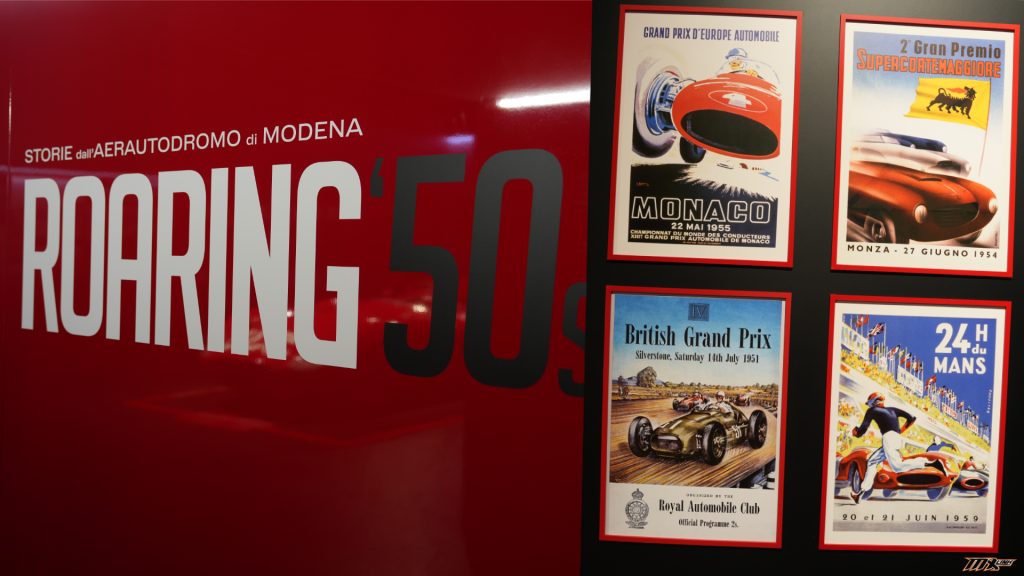
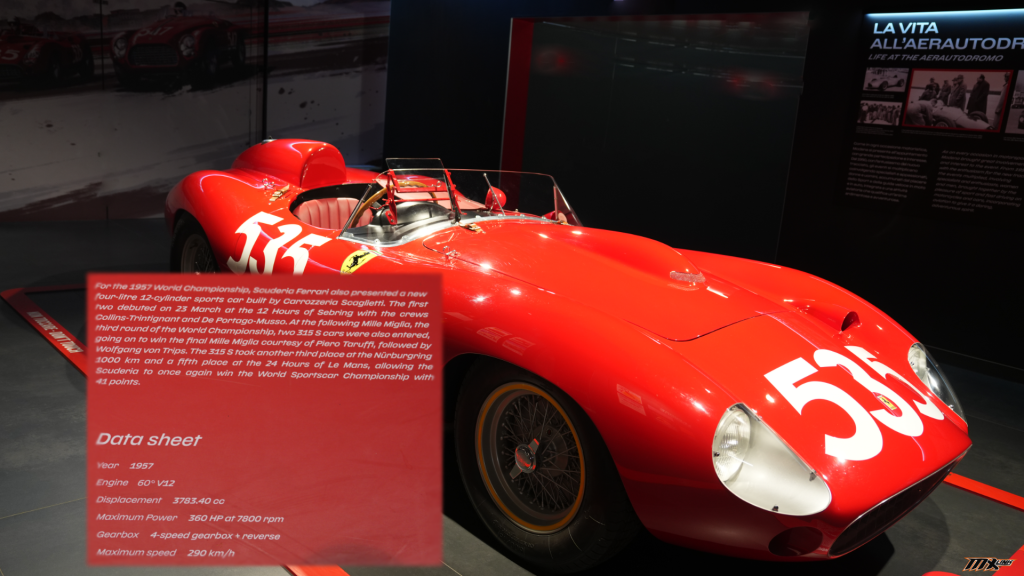
Film taken at Ferrari museum at Maranello 2025 Film: MXLink
Header photo: Formula One Abu Dhabi Grand Prix 2025 Image: Pirelli
Words: Sharon Cox.


Comments are closed.