AI – How will AI impact Media – F1 2026? With Formula One reaching a crescendo of heights crowning McLaren F1 Team driver – Lando Norris – as 2025 World Driver Champion – thoughts turn to how future growth will be achieved heading into 2026? Based on the latest stats on F1 fan-base, production of Media content remains the cornerstone for connecting F1 to audiences around the world, prompting analysis on what marketing strategies will utilize the best technology of the present day to further increase growth of followers.
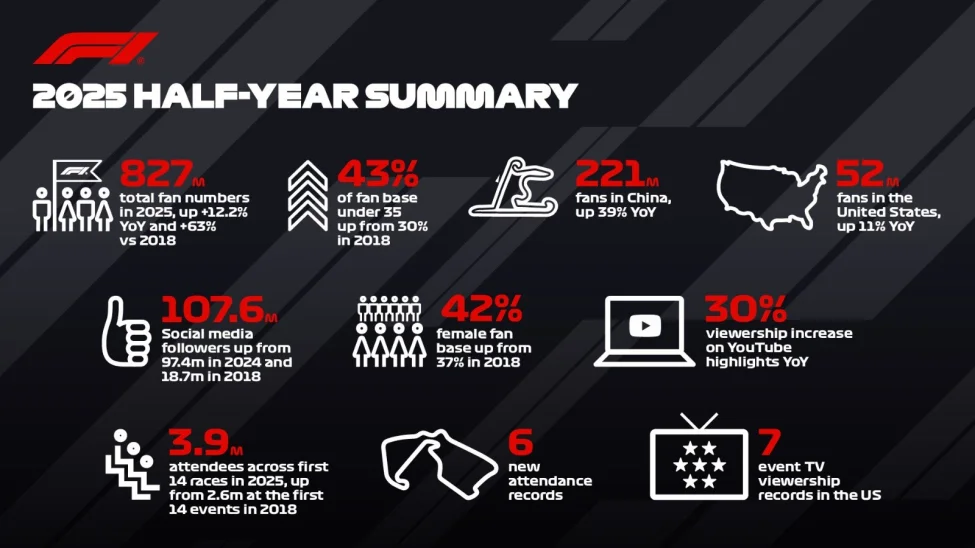
From the take-over ownership of Formula One in 2017 by Liberty Media, market growth has increased at unprecedented levels making the sport the most watched and followed open wheel racing in the world. With a total of 10 Teams and 20 driver’s, marketing strategies have shared racing and driver experiences through visuals, audio, and written content – opening dialogues between athletes and fans which has never been done before pre ‘017.
Media content has stimulated audience engagement through personalized stories on how each driver responds to racing. The build-up starts on entry to the circuits grabbing sound-bites from driver’s walking in, followed by film clips leading up to racing, embellished with commentary on previews on how racing will go, coupled with Livestream of the main race and podiums. Such transparency of what actually happens from driver’s shaking hands with their team-crew on Fridays, to the top 3 driver’s expressing post-racing thoughts in the cool-down room, to Team principals sharing moments of joy or desperation – resonate with viewer’s watching at the track or online.
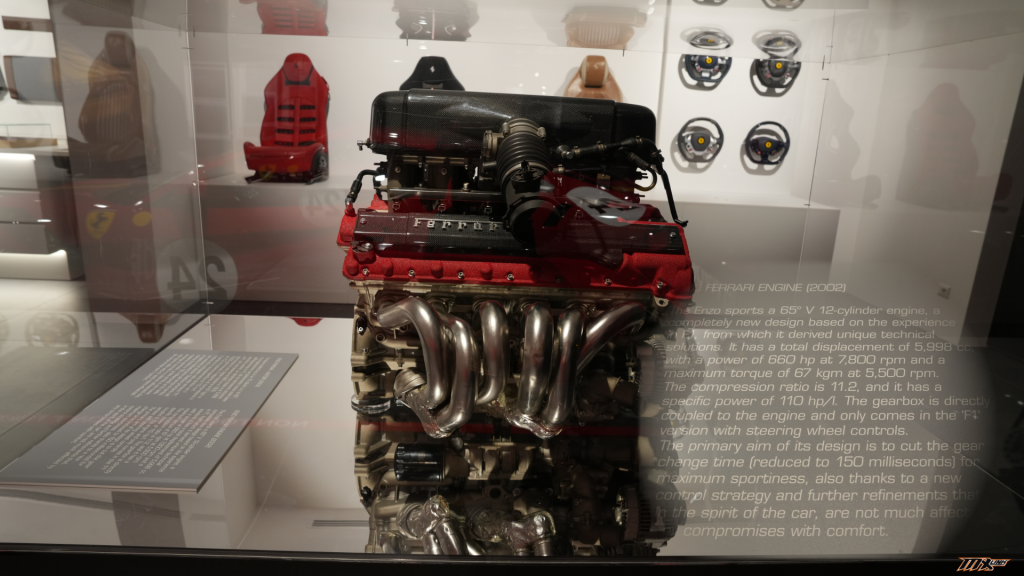
Changes in Formula One car specifications in 2026, along with additional Team – Cadillac – switching of engine provider’s, and Team driver/personal will challenge both race performances on the track and the ability of Media to portray these shifts to an audience keen to be apart of the action. The technical car regulations of reduced weight – 30kgs lighter – redesigned power units evenly split between internal combustion and electric power – active aerodynamics with movable front and rear wings – and some – will produce track action different to what has been captured over past seasons.
The question is: will the successful strategies of increasing market growth from 2017 to the present day sustain momentum gained or will shifts of thought be required on what, how, and why content produced needs to accommodate the changes that have occurred within the Formula One Championship? Answer would be to pivot creative thinking which retains the main principle of sharing driver’s experiences of racing with fans – to include how driver’s manage the changes in car specs which ultimately impact their race performances.
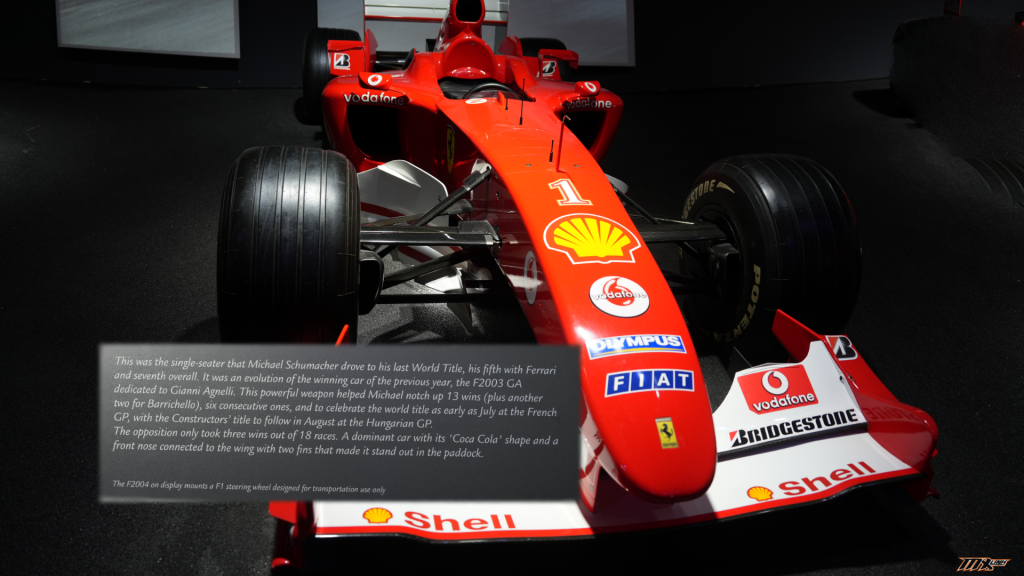
The use of AI would ease this process, providing data analysis on how car specifications are expected to improve racing – reduce dirty air, creating closer racing – while allowing driver agility to manage front and rear wing aerodynamics. AI would also simulate car performances on corners and straights relevant to specific circuits across the confirmed 24 Rounds. Media production has the advantage of aligning AI generated imagery within real-time happenings at the track, albeit requiring deft handling on completing content within specific time-frames.
The up-shot of Media adaptation to the changing nature of F1 promotes greater curiosity on athletes ability to adjust their racing skills to new car set-ups. Will the more experienced driver’s dig deep into their wealth of knowledge of racing F1 to alter their racing techniques to suit the car? Or will the younger driver’s stake their mantra of ‘I’ve been dreaming of racing F1 since a child’ push their resolve even further to beat their competitors – senior in years? Either way, fans and followers of F1, no matter which generation, gender, or country will embrace the opportunity to see how each driver tackles another season with plenty of unknown factors thrown into the mix.
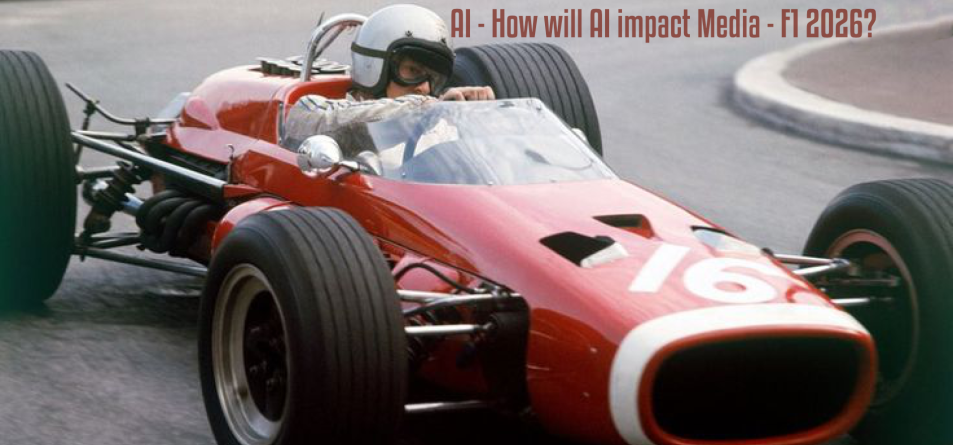
Header photo: Bruce McLaren racing in Formula One Monaco Grand Prix in 1967 Image: DeviantArt.
Words: Sharon Cox.


Comments are closed.